Federal Energy Tax Credits 2026: What Was Repealed and What Remains
⚠️ Credit Expiration Notice: The federal tax credit described in this article expired December 31, 2025 under the One Big Beautiful Bill (OBBBA, Public Law 119-21, signed July 4, 2025).
Systems placed in service on or before December 31, 2025 can still be claimed on your 2025 tax return. Installations completed in 2026 or later do not qualify. See what energy incentives are still available in 2026 →
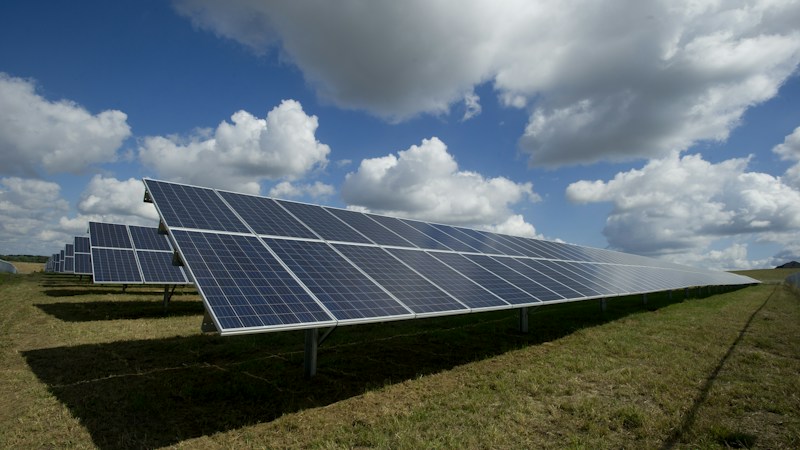
If you've been putting off that solar installation or debating whether a heat pump is worth the upfront cost, 2026 might be the year to pull the trigger. The federal incentives remain some of the most generous energy credits in U.S. history.
Understanding the IRA Energy Incentive Landscape
The Inflation Reduction Act allocated roughly $369 billion toward energy security and climate change provisions. For homeowners, the two biggest pieces are the tax credits (Sections 25C and 25D) and the rebate programs (HOMES and HEEHR).
Complete Breakdown: Every Major IRA Energy Credit and Rebate
| Program | Credit / Rebate | Annual Cap | Eligible Improvements | Available Through |
|---|---|---|---|---|
| 25C | 30% of cost | $3,200/year | Heat pumps, insulation, windows, doors, electrical panels, energy audits | Ended December 31, 2025 |
| 25D | 30% of cost | No annual cap | Solar panels, battery storage (3+ kWh), geothermal, small wind turbines | Ended December 31, 2025 |
| HOMES | Up to $8,000 | One-time | Whole-home energy retrofits achieving 20%+ energy reduction | Varies by state |
| HEEHR | Up to $14,000 | One-time | Heat pumps ($8,000), electrical panels ($4,000), wiring ($2,500), insulation ($1,600) | Varies by state |
Section 25C: The $3,200 Annual Credit
You get up to $1,200 per year for general improvements plus a $2,000 bonus for heat pumps. Since the cap resets annually, spread improvements across tax years to maximize savings.
Section 25D: Solar and Clean Energy
The 25D credit has no annual dollar cap. A $30,000 solar system yields a $9,000 credit. The credit applies to labor costs too. Unused credits carry forward to future tax years.
HOMES Rebates: Up to $8,000
Rewards homeowners who achieve 20%+ energy reductions. Low-income households (under 80% AMI) can receive up to $8,000 for 35%+ energy reduction.
HEEHR: Up to $14,000 for Electrification
Income-restricted (under 150% AMI). Covers heat pumps ($8,000), electrical panels ($4,000), wiring ($2,500), insulation ($1,600), heat pump water heaters ($1,750), and electric stoves ($840).
How to Claim Federal Energy Tax Credits
- Verify eligibility before you buy
- Get documentation from your contractor (Manufacturer Certification, PIN, itemized invoice)
- File IRS Form 5695 with your tax return
- Handle rebates separately through your state energy office
- Check interactions between credits and rebates
Real-World Savings: Solar + Battery in California
| Item | Amount |
|---|---|
| 10 kW solar array | $28,000 |
| 13.5 kWh battery | $12,000 |
| Gross cost | $40,000 |
| 25D federal credit (30%) | -$12,000 |
| CA SGIP battery rebate | -$2,700 |
| Net cost | $25,300 |
Common Mistakes to Avoid
- Claiming 25D on a rental property (only primary/secondary residence)
- Doing everything in one year and hitting the $3,200 cap on 25C
- Not getting the Product Identification Number (PIN) for 25C
- Assuming credits are refundable (they reduce tax owed, not a cash refund)
- Missing state rebate application windows
Frequently Asked Questions
How much can I save with federal energy tax credits in 2026?
Homeowners can claim 30% under 25D for solar/battery/geothermal with no cap, and 30% under 25C for heat pumps/insulation/windows up to $3,200/year. Combined with HOMES and HEEHR rebates, total savings can exceed $20,000.
What is the difference between the 25C and 25D tax credits?
25C covers home improvements (heat pumps, insulation, windows) capped at $3,200/year. 25D covers clean energy (solar, battery, geothermal) with no cap. Both are 30% and nonrefundable. Unused 25D credits carry forward; 25C credits do not.
Do IRA energy rebates expire?
25D and 25C were both terminated for property placed in service after December 31, 2025 by the One Big Beautiful Bill (Public Law 119-21). HOMES and HEEHR depend on state funding and may run out earlier.
Can I combine federal tax credits with state rebate programs?
Yes. Federal credits stack with state and local programs. If a state rebate reduces your purchase price, the federal credit applies to the reduced amount. Consult a tax professional when combining multiple incentives.
Visit the Energy Rebate Calculator to get a personalized estimate based on your ZIP code and planned upgrades.