⚠️ Credit Expiration Notice: The IRS Section 25C (Energy Efficient Home Improvement) and Section 25D (Residential Clean Energy) tax credits described in this article expired December 31, 2025 under the One Big Beautiful Bill (OBBBA, Public Law 119-21, signed July 4, 2025).
Improvements completed before December 31, 2025 can still be claimed on your 2025 tax return. Improvements completed in 2026 do not qualify for these credits. See what energy incentives are still available in 2026 →
The IRA's home energy tax credits were among the most generous residential incentives in American history — but they were terminated early by the One Big Beautiful Bill, signed July 4, 2025. If you completed qualifying improvements before the December 31, 2025 deadline, you can still claim the credits on your 2025 tax return. If not, the landscape has changed significantly for 2026.
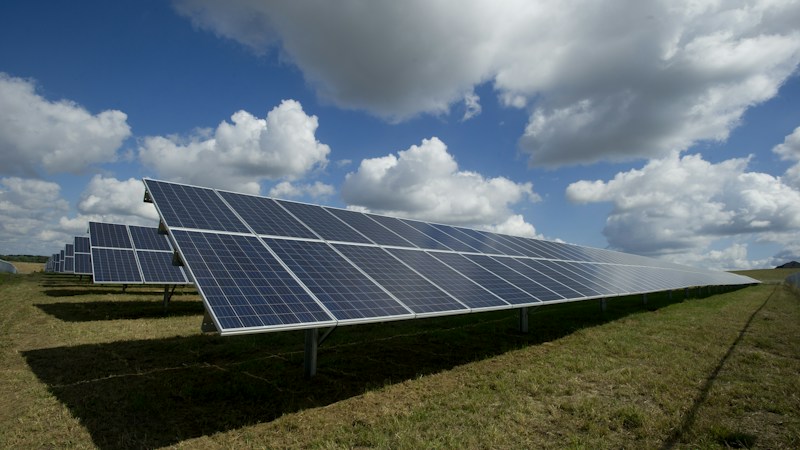
The 30% credit (previously with no annual dollar cap) for solar panels, solar water heaters, geothermal heat pumps, battery storage, and small wind turbines was terminated under OBBBA for property placed in service after December 31, 2025. Projects completed before that date remain eligible for the 2025 tax year credit.
The annual credit of up to $3,200 for energy efficiency improvements (heat pumps, insulation, windows, doors, electrical panels, home energy audits) was also terminated for improvements made after December 31, 2025.
| Improvement Type | Credit Rate | 2025 Annual Cap | Status for 2026 |
|---|---|---|---|
| Heat Pumps (HVAC) | 30% | $2,000 | EXPIRED |
| Heat Pump Water Heaters | 30% | $2,000 (shared) | EXPIRED |
| Insulation & Air Sealing | 30% | $1,200 | EXPIRED |
| Windows & Skylights | 30% | $600 | EXPIRED |
| Exterior Doors | 30% | $500 ($250/door) | EXPIRED |
| Home Energy Audit | 30% | $150 | EXPIRED |
| Electrical Panel Upgrades | 30% | $600 | EXPIRED |
| Solar Panels (25D) | 30% | No cap | EXPIRED |
| Battery Storage (25D) | 30% | No cap | EXPIRED |
| Geothermal Heat Pumps (25D) | 30% | No cap | EXPIRED |
Federal tax credits ended, but meaningful incentives remain through other channels:
Funded by the IRA and administered by state energy offices, the HOMES (Home Owner Managing Energy Savings) program provides point-of-sale rebates of up to $4,000 for moderate-income households and up to $8,000 for low-income households who achieve qualifying whole-home energy savings. Available in most states — check your state energy office for current status and funding availability.
HEAR provides upfront rebates for qualifying electric appliance purchases and installations — including heat pumps (up to $8,000), heat pump water heaters (up to $1,750), and electric panels (up to $4,000). Eligibility is income-based (households under 150% Area Median Income). Active in approximately 35 states as of 2026.
Many states and electric utilities fund their own rebate programs independently of federal law. These are not affected by the OBBBA and remain available. Use our rebate calculator to find programs by state.
The DOE's Weatherization Assistance Program provides free energy audits and efficiency improvements for income-eligible households (typically at or below 200% of the federal poverty level). This program is unaffected by the OBBBA.
The Section 25C and 25D federal tax credits expired December 31, 2025 under OBBBA. They are NOT available for improvements completed in 2026. The remaining federal incentives are the HOMES Rebate and HEAR programs, administered by states. Many states also offer their own independent programs.
Yes. If you completed qualifying improvements before December 31, 2025, you can claim the credits on your 2025 federal tax return (filed in 2026). Use IRS Form 5695. The 2025 limits — up to $3,200 for 25C and 30% uncapped for 25D — apply to the 2025 tax year.
No. The HOMES and HEAR programs cover a wide range of efficiency improvements — heat pumps, insulation, water heaters, electric panels — without requiring solar. State and utility rebate programs also cover many non-solar improvements.
The 30% solar tax credit (Section 25D) expired December 31, 2025 under OBBBA. Solar installations completed in 2026 do not qualify for a federal tax credit. However, state-level solar incentives, net metering, and some utility rebates remain available. Check your state for current options.
Before you spend money on this. Energy Rebate Calculator is an independent website. It is not affiliated with, endorsed by, or operated by the U.S. Department of Energy, the IRS, or any state agency, and nothing on this page is an offer, an application, or a promise of payment.
The federal HOMES and HEAR rebates are administered state by state and most states have not launched them. Tax credits, rebate amounts and eligibility rules change without notice, and rebates are generally not paid for work completed before a programme launches.
Confirm your eligibility and the current terms with the administering agency before you sign a contract or buy equipment. Check the status in your state. If you spot something out of date here, tell us and we will correct it.