Solar Panel Cost by State in 2026: Complete Price Breakdown
Solar Panel Cost by State in 2026: Complete Price Breakdown
Solar panel installation costs vary significantly across the United States, ranging from $2.20 to $3.60 per watt depending on your state. For a typical 8 kW residential system, that translates to $17,600 to $28,800 before any incentives. With the federal ITC gone, state programs and net metering policies now determine whether solar makes financial sense in your specific market.
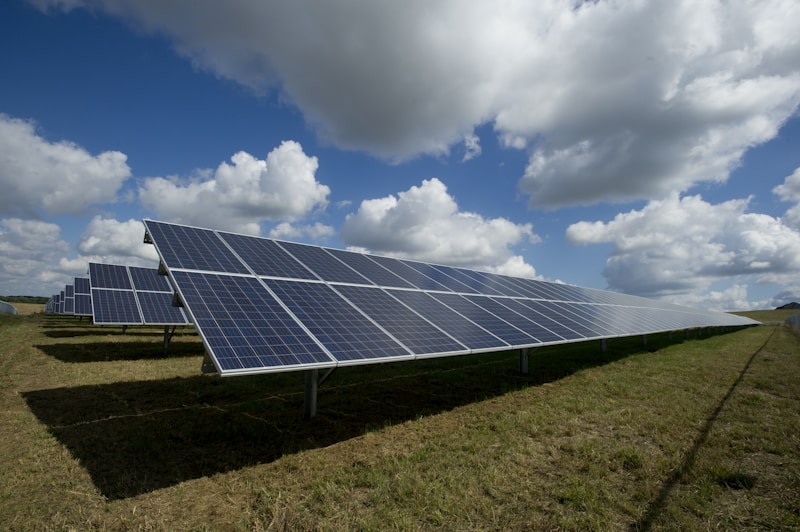
Average Solar Panel Cost by State (2026)
Prices below reflect the average cost per watt for a residential solar installation, including equipment, labor, permitting, and interconnection. The total system cost assumes an 8 kW system. The "Best State Incentive" column shows the most significant state-level program — there is no federal residential tax credit for 2026 installations.
| State | Cost per Watt | 8 kW System Cost | Best State Incentive (2026) |
|---|---|---|---|
| Arizona | $2.35 | $18,800 | Net metering (retail rate) |
| California | $2.80 | $22,400 | SGIP battery rebate; NEM 3.0 (reduced) |
| Colorado | $2.75 | $22,000 | Utility rebates $500–$2,000; net metering |
| Florida | $2.45 | $19,600 | Full retail net metering; sales/property tax exemptions |
| Georgia | $2.60 | $20,800 | Net metering; Georgia Power Buy-Back |
| Illinois | $2.85 | $22,800 | Adjustable Block Program (SRECs ~$3,000–$5,000) |
| Massachusetts | $3.15 | $25,200 | SMART program (10-yr payments) + 15% state credit ($1,000 cap) |
| Nevada | $2.40 | $19,200 | Net metering (retail rate) |
| New Jersey | $2.85 | $22,800 | Successor Solar Incentive: $90–$100/MWh for 15 yrs |
| New York | $3.20 | $25,600 | NY-Sun rebate + 25% state tax credit (cap $5,000) |
| North Carolina | $2.55 | $20,400 | Net metering; Duke/Duke Progress rebates |
| Oregon | $2.70 | $21,600 | Energy Trust of Oregon incentives; net metering |
| Pennsylvania | $2.90 | $23,200 | SREC market ($30–$45/MWh); net metering |
| Texas | $2.50 | $20,000 | Property tax exemption; Austin Energy rebate ($2,500) |
| Washington | $2.65 | $21,200 | Sales tax exemption; net metering (retail rate) |
The states listed above represent the most active residential solar markets. Costs in less populated states like Wyoming, Montana, or the Dakotas tend to run 10–20% higher due to fewer installers and lower competition.
Why Solar Costs Vary So Much Between States
The price difference between installing solar in Arizona versus Massachusetts can be $6,000 or more for the same system size. Several factors drive this gap, and understanding them helps you evaluate quotes more effectively.
Labor and Permitting Costs
States with higher costs of living naturally have higher labor rates. An electrician in Boston charges significantly more per hour than one in Phoenix. On top of that, some states have streamlined permitting processes that take days, while others drag on for weeks — and those delays cost money.
California is a perfect example. Despite abundant sunshine and a massive solar industry, costs remain above the national average due to high labor rates, complex permitting requirements, and additional electrical code mandates like rapid shutdown systems that add to the total price.
State Incentives and Rebates
With the federal ITC gone, state-level incentives now carry the full weight of upfront cost reduction. Their value varies dramatically:
- New York: NY-Sun incentive pays $0.20–$0.40/watt, saving $1,600–$3,200 on an 8 kW system, plus a 25% state tax credit capped at $5,000
- Massachusetts: SMART program provides ongoing payments per kWh generated for 10 years, plus a 15% state credit (capped at $1,000)
- Illinois: Adjustable Block Program offers upfront SRECs worth $3,000–$5,000
- New Jersey: Successor Solar Incentive pays $90–$100 per MWh for 15 years — worth $8,000–$10,000 over the contract term for an 8 kW system
- Colorado: Various utility rebates of $500–$2,000 depending on the utility; net metering at retail rate
States like Texas and Florida have no state solar tax credit, but their lower base installation costs and — in Texas's case — deregulated buyback plans partially compensate.
Electricity Rates
Solar makes the most financial sense where electricity is expensive. In states like Connecticut ($0.27/kWh), Massachusetts ($0.28/kWh), or California ($0.30/kWh), the payback period is much shorter despite higher installation costs. In states with cheap electricity like Louisiana ($0.10/kWh), the math takes longer to work out — and without the 30% federal credit, the numbers are harder in low-electricity-cost markets.
Solar Payback Period by Region in 2026
Without the 30% federal ITC, payback periods are longer than they were in 2024–2025. However, falling panel costs and strong state incentives in certain markets keep solar financially viable:
| Region | Estimated Payback (2026, No ITC) | Key Factor |
|---|---|---|
| Southwest (AZ, NV, NM) | 7–10 years | High sun, decent rates |
| Northeast (NY, MA, NJ, CT) | 7–10 years | High electricity rates + strong state incentives |
| Southeast (FL, GA, NC, SC) | 10–13 years | Good sun, lower electricity rates |
| Midwest (IL, OH, MI, MN) | 11–15 years | Moderate sun, moderate rates; IL SREC helps |
| Pacific NW (OR, WA) | 12–16 years | Less sun, but strong net metering |
These payback ranges assume no federal incentive. If your state has a significant program (NY 25% credit, NJ SRECs, MA SMART), your actual payback will be shorter. Use our energy rebate calculator to model your specific situation.
The Federal ITC Expired: What Changed in 2026
The Investment Tax Credit (ITC) — Section 25D of the Internal Revenue Code — provided a 30% federal tax credit on residential solar installations. The One Big Beautiful Bill Act (OBBBA), signed July 4, 2025, eliminated this credit for systems placed in service after December 31, 2025.
What this means in practice:
- A $22,000 system that would have cost $15,400 after the 30% credit in 2025 now costs the full $22,000 before state incentives in 2026
- State incentives have become far more important — and vary dramatically by state
- The lease/PPA model has gained appeal: solar companies that own the system can still access the commercial ITC (Section 48E) for projects beginning construction before July 4, 2026, and may pass savings to you through lower monthly rates
- Battery storage rebates under 25D also expired — the SGIP program in California and state equivalents now carry that burden
For full details on the OBBBA's impact and what incentives survive, see our federal solar tax credit 2026 guide.
How to Get the Best Price in Your State
Get Multiple Quotes
This is the single most effective way to save money. Get at least 3–5 quotes from different installers. The spread between the highest and lowest quote is typically 20–30%. Use platforms like EnergySage to compare quotes easily.
Consider Timing
Solar installers are busiest in spring and summer. Getting quotes in fall or winter can sometimes yield better pricing, as installers want to keep their crews busy during the slower months.
Equipment Choices Matter
Premium panels from companies like SunPower or REC cost $0.30–$0.50 more per watt than mid-tier options from LONGi, Canadian Solar, or Trina. For most homeowners, mid-tier panels offer the best value — they come with 25-year warranties and perform within 3–5% of premium options.
Lease vs. Own in 2026
With the residential ITC gone, the gap between owning and leasing solar has narrowed. A lease or PPA means no upfront cost, and the solar company may pass along commercial ITC savings through lower rates. For homeowners who can't benefit from a tax credit anyway (insufficient tax liability, AMT situation, etc.), a lease deserves serious consideration. See our lease vs. PPA vs. buy comparison.
Battery Storage: Worth It?
Adding a battery like the Tesla Powerwall ($8,500–$12,000 installed) or Enphase IQ Battery ($7,000–$10,000) increases upfront cost. The 30% federal battery credit (which was part of Section 25D) expired along with the solar ITC. In states with time-of-use rates, poor net metering (California NEM 3.0), or frequent outages, battery storage can still pay off — especially with state programs like California's SGIP. In other states, the math is harder without the federal incentive.
Frequently Asked Questions
What is the average cost of solar panels in the US in 2026?
The national average is approximately $2.75 per watt before incentives. For a typical 8 kW residential system, that is about $22,000. The 30% federal solar tax credit expired December 31, 2025 — net cost after incentives now depends on your state's programs.
Is there a federal solar tax credit in 2026?
No. The Section 25D Residential Clean Energy Credit (the 30% solar ITC) was eliminated by the One Big Beautiful Bill Act for systems placed in service after December 31, 2025. Homeowners who installed solar by that date can still claim the 30% credit on their 2025 federal return.
Which state has the cheapest solar installation?
Arizona consistently has the lowest installation costs, averaging $2.35 per watt. Combined with excellent sunshine (5.5+ peak sun hours daily) and full retail net metering, it offers one of the better payback periods despite having no state tax credit.
Is solar worth it in cloudy states?
Yes, often more than you would expect. States like Massachusetts and New Jersey are among the top solar markets despite cloudy weather, because high electricity rates and strong incentive programs (SMART, NJ SRECs) more than compensate for lower production.
How long do solar panels last?
Modern solar panels are warrantied for 25–30 years but typically last 30–40 years with gradual degradation of about 0.3–0.5% per year. After 25 years, most panels still produce 85–90% of their original output.
Should I buy or lease solar panels in 2026?
With the residential ITC gone, the financial gap between owning and leasing has narrowed significantly. Buying still delivers full long-term savings, but a lease or PPA has lower upfront cost and the solar company may pass commercial ITC savings to you. For homeowners in strong SREC or net metering states, buying still wins long-term. Compare both scenarios carefully for your situation.
Ready to Start? Find Pre-Screened Installers Near You
Get free, no-obligation quotes from certified local contractors for heat pumps, solar, and insulation — and see your total after rebates.
Free quotes · No commitment · Certified local contractors